

There’s this funny thing that happens when I finish a really good book.
I remember the plot. Mostly. I remember the big emotional hits. The ending. The twist. The heartbreak.
But the tiny moments. The ones that actually made my nervous system unclench for a second. The soft little sparks. Those are the first to go.
A line that made me laugh out loud in the kitchen.
A scene that felt like sunlight on my face.
A character doing something small and decent when nobody was watching.
They disappear unless I catch them.
That’s where the Glimmer List comes in.
Not a “review”. Not a “tracking spreadsheet”. Not homework. It’s more like… a pocket of light you keep while you read, so when life is loud or heavy you can flip back and remember, oh right. Joy still exists. I noticed it. I wrote it down.
If you like reading and journaling even a little, you’re going to love this.
What is a “glimmer” anyway?
You’ve probably heard of triggers. Same universe, different vibe.
A trigger yanks you into stress. A glimmer pulls you into safety.
It can be ridiculously small.
A warm mug in your hands.
A friendly dog.
A sentence in a novel that makes you feel seen, in a way you didn’t know you needed.
A glimmer list is just a running collection of those moments.
And when you apply it to reading, it becomes… surprisingly powerful, because books are basically glimmer factories if you let them be.
Why keep a Glimmer List while you read?
Because your brain is a bit of a drama queen.
It will remember what hurt. It will remember what went wrong. It will remember the time you cried at 2 a.m. because a fictional person said something devastatingly true.
But it will not reliably remember the gentle stuff unless you train it to.
A reading glimmer list is a way of saying, hey. We’re paying attention to goodness too. Not forced positivity. Not “everything is fine”. Just honest noticing.
And later, when you’re in a slump, or you can’t pick your next book, or you’re feeling kind of flat, you’ll have proof that reading still gives you something real.
The Glimmer List, defined (simple version)
While you read, you write down:
- a line that made you feel lighter
- a scene that comforted you
- a moment that made you laugh
- a detail that felt beautiful
- a character choice that restored your faith a little
- anything that made you pause and go… oh. that.
That’s it. No rules.
What a Glimmer List is not
Let’s get this out of the way, because I know how our brains can turn a lovely idea into a performance.
A glimmer list is not:
- a list of quotes you “should” like because they’re popular
- a productivity tool to prove you read “correctly”
- a moral inventory
- a requirement to find joy in dark books (sometimes the glimmer is just “I kept reading”)
Also, you do not need a perfect journal for this.
A sticky note works. Your Notes app works. The back of a receipt, honestly, works.
How to start your own Reading Glimmer List (in 5 minutes)
Here’s the easiest way. Like, low effort. Cozy.
- Pick one place to keep it
A notebook, a doc, your phone, a reading journal. One place. That’s the secret. - Title the page: “Glimmers”
Or “Tiny Joys”. Or “Stuff I want to remember”. Don’t overthink it. - As you read, capture 1 to 3 glimmers per session
Not 30. You’re not mining the book. Just noticing. - Write the page number if you can
Future you will want to find it again. - Add a quick note on why it hit you
One sentence is plenty.
That’s the whole method.
A few examples (so you can see what this looks like)
Here are some realistic glimmers. Not overly polished. That’s the point.
- “He put the kettle on without being asked.” (p. 84)
Something about quiet care. I want more of that in my life. - “She laughed, surprised to find it still worked.” (p. 112)
The idea of laughter returning after a hard season. - Description of the rainy street market (p. 37)
Made me want to slow down and notice color again. - The apology that didn’t make excuses (p. 196)
It reminded me what accountability can sound like.
You can also record glimmers that aren’t quotes.
Sometimes it’s a feeling. A softness. A breath you didn’t realize you were holding.
The best part: it changes how you read
Not in a “serious reader” way.
In a nervous system way.
When you’re glimmer-hunting, you start noticing pacing, tenderness, humor, beauty. You become more present. You stop skimming. You look for what’s nourishing, not just what’s dramatic.
And somehow, you also get more emotionally resilient about the harder parts of books, because you’re not only collecting pain. You’re collecting balance.
Different ways to keep a Glimmer List (pick your style)
You can do this a bunch of ways. Here are a few that actually stick for people.
1. The bookmark method (very low effort)
Keep a bookmark inside the book and jot glimmers on it as you go. When you finish, tape it into your journal or take a photo.
Simple. Cute. Kinda old school.
2. The Notes app method (fast, messy, perfect)
Create one note per book called:
Glimmers: [Book Title]
Each entry can be:
- page number
- quick quote
- why it mattered
That’s all.
3. The “jar” method (if you want something tangible)
Write glimmers on little slips of paper and put them in a jar.
At the end of the month, pull a few out and reread them. It’s like a highlight reel for your heart.
4. The reading journal spread (if you like a structured page)
If you keep a book journal already, add a box called:
Glimmers I want to keep
On GlimmerReads, this fits perfectly alongside reflection prompts, because you’re not only tracking what happened in the story. You’re tracking what happened in you.
Glimmer prompts (when you don’t know what to write)
Sometimes you’re reading and you feel something good, but you can’t name it. Use a prompt. Steal these.
- What moment made me feel safe?
- What line did I want to underline twice?
- When did I feel my shoulders drop?
- What did I find funny, unexpectedly?
- What felt like a small kindness?
- What reminded me of someone I love?
- What gave me hope, even a little?
- What did I want to carry into my real life?
You only need one.
Add a “why” layer (this is where it gets meaningful)
If you want to go deeper, you can. Not every time. Just when you feel like it.
After you write a glimmer, add one of these quick tags:
- Need: what need did this meet? comfort, belonging, relief, courage?
- Reminder: what did it remind me of?
- Action: is there something tiny I want to do because of this?
Example:
- “She opened the window and let the cold air reset her.”
Need: reset
Action: open a window tomorrow morning, even for 2 minutes
That’s how a book quietly changes your life. Not with grand transformations. With tiny copies of goodness you can actually do.
What if the book is heavy?
Still works.
In darker books, glimmers show up differently. They might be:
- someone telling the truth
- a moment of solidarity
- a character choosing to live
- a sentence that puts language to your own experience
- the fact that you kept turning pages
Sometimes the glimmer is not happy. It’s clarifying. It’s grounding.
And honestly, those are the ones I return to most.
What to do with your Glimmer List after you finish the book
This is where the practice becomes this little ritual.
When you finish a book, take 10 minutes and do a mini “closing”.
- Re-read your glimmers
- Circle your top 3
- Answer one question:
What do these glimmers say about what I’m needing right now?
That’s it.
If you want, you can also paste them into a monthly recap.
This is exactly the kind of reflection we build around in The Weekly Chapter on GlimmerReads. Not intense. Just steady, guided noticing. The kind that helps you remember what mattered.
A simple Glimmer List template (copy and paste)
Use this in a note, journal, or doc.
Book:
Dates:
Glimmers (with page numbers):
1.
2.
3.
Why these mattered:
A tiny thing I want to carry forward:
Images you can add throughout the post (WordPress friendly)
Here are a few spots where visuals really help the vibe. Cozy, calm, bookish. If you use stock photos, choose warm lighting, natural textures, not overly staged.
Image 1 (near the top)

Image 2 (after the “How to start” section)
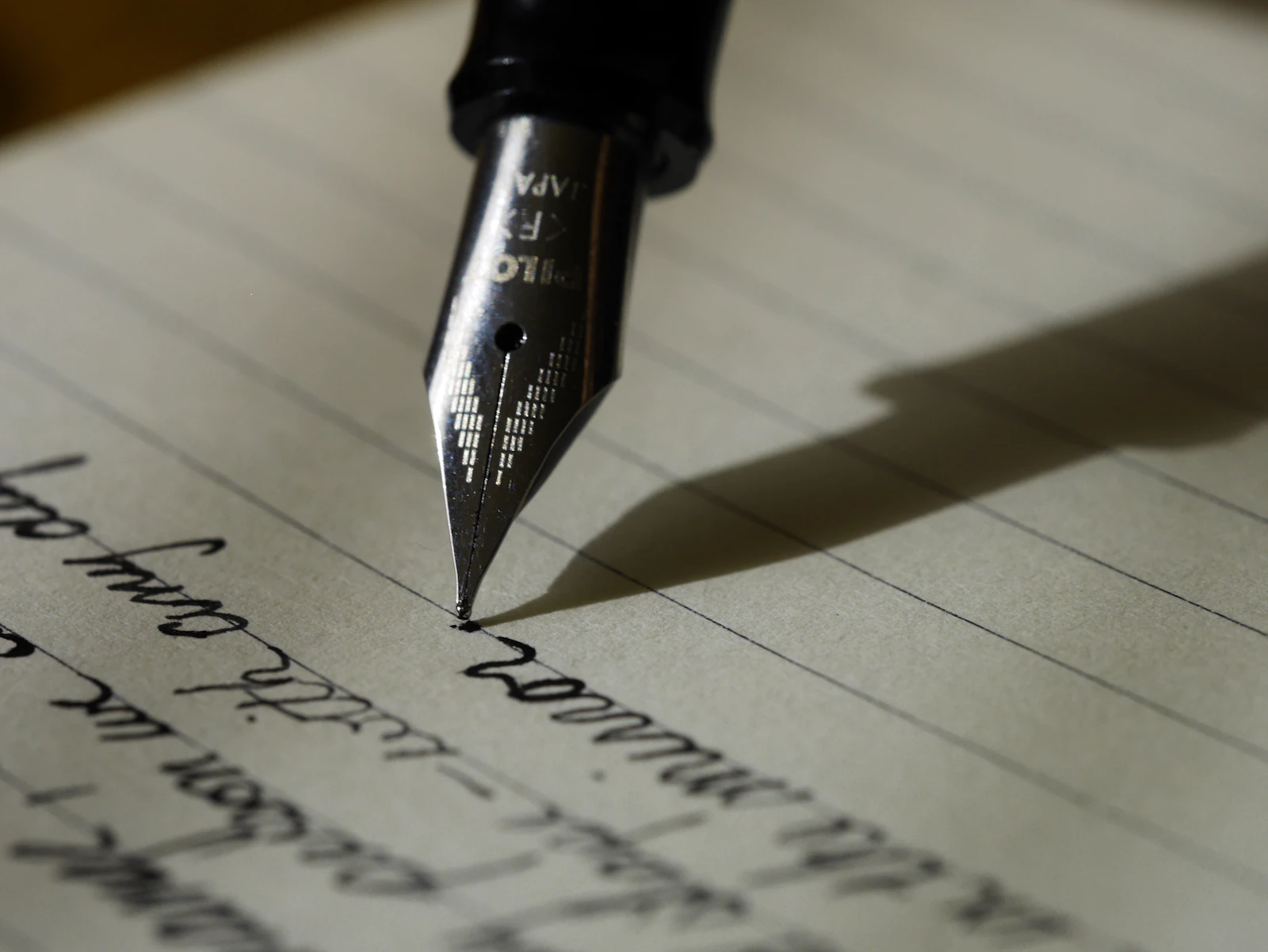
Image 3 (near the “jar method” section)

Image 4 (near the end, wrap-up vibe)

Make it a habit without making it a chore
If you’re worried you’ll start this and drop it in a week, yeah, same. That’s normal.
So here are a few “keep it alive” tricks that actually work:
- Set a tiny rule: one glimmer per reading session. Just one.
- Let it be messy: fragments are allowed. Half sentences. “Loved this” is allowed.
- Don’t wait for perfect lines: sometimes the glimmer is a vibe, not a quote.
- Revisit weekly: on Sundays, skim your glimmers. Takes 2 minutes. Feels surprisingly good.
And if you want structure without pressure, that’s basically what we do inside the GlimmerReads world. A monthly theme, then weekly check-ins. A gentle container.
If you want to start today, do this
Tonight, when you read, pause once.
Just once.
When you feel that little lift in your chest, or that calm, or that quiet yes.
Write it down.
That’s your first glimmer.
And over time, you’ll build this personal library inside your library. Not just books you’ve read, but moments you’ve kept.
If you want more prompts like this, plus cozy recommendations and reflection-friendly reading rituals, you can explore the Reading Room on GlimmerReads and subscribe to The Weekly Chapter when you’re ready. It’s the same energy. Warm, intentional, human.
Because the truth is, you’re not only reading to finish.
You’re reading to remember.


No responses yet